Editorial note: This article checks a public YouTube interview against public records. It does not adopt the video’s allegations as fact, does not accuse any ethnic or religious community of criminality, and does not claim that Canada has been “given” to any foreign state.
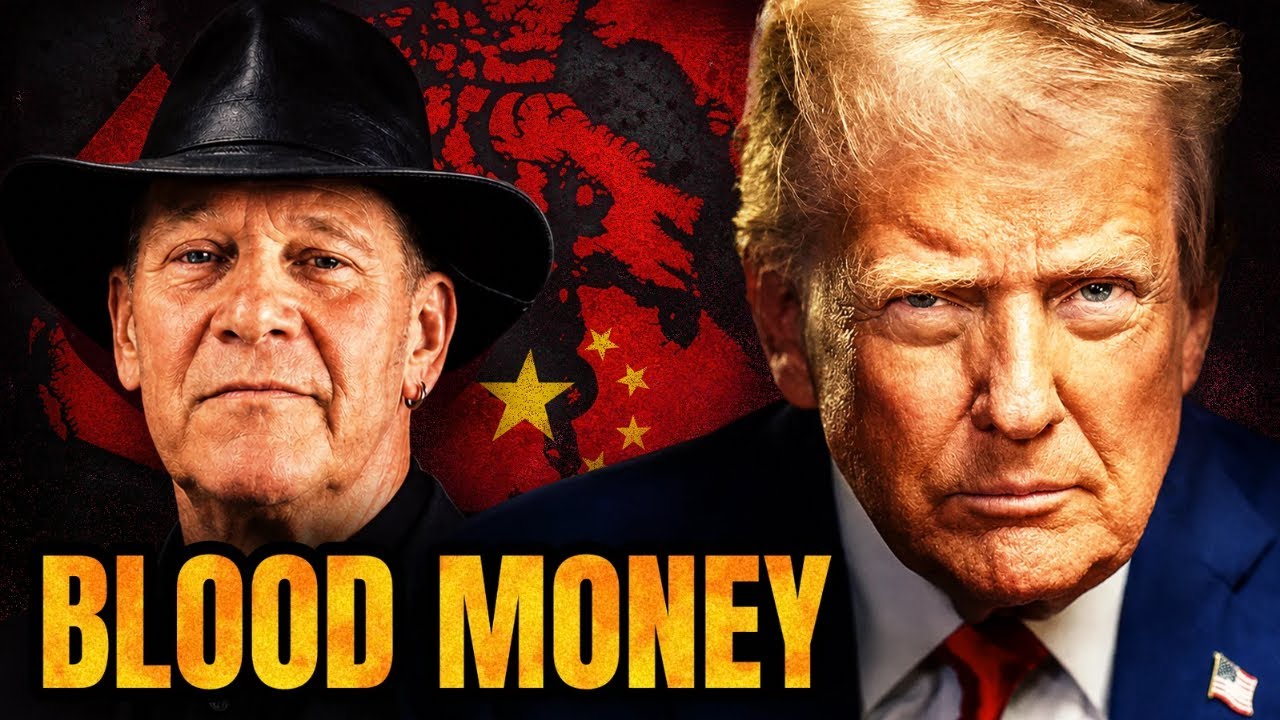
The video NewsForBC reviewed is a 57-minute interview on the Rich Does Politics YouTube channel titled Trump Just EXPOSED How The City Of London Gave Canada To China. The guest is introduced through links to Jim/Shimjelly and TormaTime. The conversation covers Canada-China investment rules, B.C. real estate, money laundering, fentanyl precursors, foreign interference, immigration, tariffs, supply management and Prime Minister Mark Carney.
The responsible way to treat a video like this is not to repeat every allegation. It is to separate the public-record issues from the leaps. On that test, the video points to several real Canadian files — but it also wraps them in conclusions and community-level accusations that the public record does not establish.
What the video gets into that is real
- Canada does have a bilateral investment treaty with China. Ottawa announced in 2014 that the Canada-China Foreign Investment Promotion and Protection Agreement had been ratified and would come into force on Oct. 1, 2014. The agreement text includes investor-state arbitration provisions and protections against discriminatory treatment and expropriation.
- B.C. has a documented money-laundering history. The Cullen Commission’s 2022 final report found that, between 2008 and 2018, Lower Mainland casinos accepted hundreds of millions of dollars in illicit cash linked to the “Vancouver model.” The report describes wealthy casino patrons, some with wealth in China and facing currency-export restrictions, using cash facilitators tied to criminal organizations.
- TD Bank’s U.S. money-laundering case was major. CBC reported that TD Bank faced about US$3.09 billion in fines after pleading guilty to multiple charges, including conspiracy to violate the Bank Secrecy Act and commit money laundering. CBC also reported U.S. allegations that drug traffickers bribed TD employees and moved large sums through TD accounts.
- Foreign interference is a live Canadian public-policy issue. The federal Foreign Interference Commission’s final report calls for stronger public education, transparency, reporting channels and protections for vulnerable communities.
- Fentanyl precursor supply chains are a real national-security and public-health concern. Canada’s Fentanyl Czar interim report says law-enforcement leaders identified China as a significant source of precursor chemicals diverted by organized-crime groups. In October 2025, CBSA and RCMP announced a Delta/Tsawwassen seizure of 4,300 litres of precursor chemicals coming from China and destined for Calgary.
What the evidence does not prove
The video’s title says Canada was “given” to China. That is not a finding in the sources NewsForBC reviewed. Public records support a narrower story: Canada signed a long-term investment-protection treaty with China; B.C. had severe laundering failures; Canada has serious foreign-interference and fentanyl-precursor concerns; and Canadian institutions have had documented enforcement gaps.
Those facts are serious enough without inflating them. They do not prove that China owns Canada, that every Chinese-linked investment is criminal, that Canadian banks are all “laundry machines,” or that any ethnic or religious community should be treated as collectively responsible for crime.
The FIPA question: secret lawsuits or normal investment treaty?
The video describes the Canada-China FIPA as giving Chinese investors powerful remedies against Canadian regulation. The public text does include investor-state arbitration and allows investors to bring claims after conditions are met. It also protects investments from discriminatory treatment and expropriation without compensation.
But the treaty is not simply “China can sue Canada for anything.” It is a formal investment-protection agreement. The public-interest question is whether Canada gave away too much policy flexibility, whether cases and settlements are transparent enough, and whether future resource, energy, housing or national-security decisions are constrained by old treaty commitments.
B.C. angle: the laundering story is documented, but should be precise
The strongest B.C. evidence is the Cullen Commission, not the YouTube rhetoric. Cullen found an unprecedented volume of illicit cash was laundered through B.C. casinos and described the “Vancouver model.” That model involved criminal cash facilitators, casino gambling, offshore repayment arrangements and patrons who sometimes had wealth in China but could not easily move it through formal channels.
That is a documented B.C. failure. It still does not justify treating Chinese Canadians, immigrants, Sikh Canadians, truckers, real-estate buyers or any other community as a suspect class. Criminal networks are specific; communities are not.
Foreign interference: real concern, careful language
The federal Foreign Interference Commission makes clear that foreign interference can target elections, institutions and diaspora communities. It also warns that Canadians need better public education and more transparency so the public is not left dependent on leaks, rumours and partisan interpretation.
That is exactly why this kind of source-check matters. When real issues are mixed with sweeping claims about “globalists,” “replacement,” ethnic groups or secret world partition deals, readers need a way to keep the verifiable file from being swallowed by the unverifiable frame.
Bottom line
The video is worth covering because it bundles several real Canadian vulnerabilities into one viral narrative: investment-treaty exposure, B.C. money laundering, foreign interference, fentanyl precursors and weak institutional trust. But the public record supports a more disciplined headline:
Canada has unresolved China-related and money-laundering vulnerabilities. The evidence does not prove Canada was “given” to China, and it does not support blaming whole communities.
That distinction is the line between public-interest reporting and viral allegation laundering.